







Search Results for: differences between light
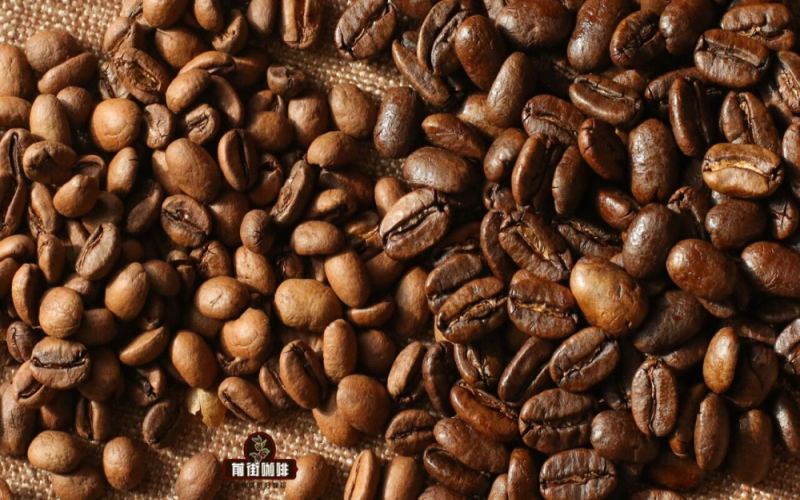
What are the differences between dark roast and light roast coffee beans? Are dark roast beans expensive, and how much do they generally cost?
Should coffee beans be dark roasted or light roasted? This is a long-running debate in the coffee world. Those who favor light roasting believe that it preserves the coffee's origin flavors and floral and fruity aromas to the greatest extent; those who champion dark roasting emphasize that only medium-dark roasting allows the Maillard reaction to complete fully, bringing a rich, full-bodied sweetness and a smooth mouthfeel. Each side has its points, and there is no absolute right or wrong. This article will sort out the core differences between dark roasting and light roasting, introduce the taste characteristics of the three levels—light roast, medium roast, and dark roast—and give specific Front Street Coffee bean recommendations for different flavor preferences, while also answering common questions such as how much dark-roasted coffee beans generally cost and whether they are expensive. [more…]
Analyzing the Flavor Differences Between Light and Dark Roasts, with Six Floral and Fruity Light Roast Bean Recommendations
The degree of coffee roasting directly determines the flavor profile in the cup. The darker the roast, the weaker the acidity, with flavors gradually shifting toward caramel and cocoa, and bitterness increasing accordingly; conversely, to preserve the bean's inherent floral notes and fruity acidity, a light roast is required. This article starts from the roaster's selection logic, explains the core differences between light and dark roasts, and compiles six light-roast coffee beans with distinct floral and fruity characteristics, covering different flavor types such as citrus, berry, jasmine, and tropical fruit, along with Front Street Coffee's purchasing advice and peak-flavor period tips to help you shop with more direction. [more…]
An Analysis of Flavor Differences Between Light, Medium, and Dark Coffee Bean Roasts: Taste Characteristics and Selection of Specialty Coffee at Different Roast Levels
Green coffee beans themselves have no obvious aroma or flavor; only through roasting can they release their alluring flavors. Roasting time, temperature, method, and even the roaster's experience all have a subtle impact on the final taste in the cup. From light to dark roast, coffee beans differ in color, acid-bitterness balance, and aroma layers, and the suitable brewing methods and drinking preferences vary greatly. In this article, Front Street Coffee will systematically sort out the flavor differences among light, medium, and dark roasted coffee beans, and, combined with specific origin cases, explain how roasters choose curves based on bean characteristics, as well as the effects of different roast levels on coffee chemical compounds and the final taste, helping coffee enthusiasts more clearly understand the relationship between roasting and flavor. [more…]
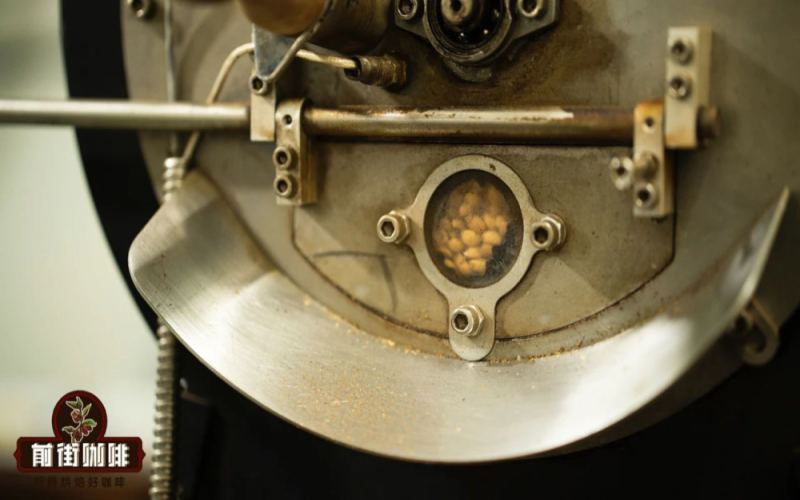
What is the difference between light roast and medium-light roast coffee beans? A guide to buying medium-light roast pour-over single-origin beans
The roast level of coffee beans directly affects the flavor in the cup. This article starts with the difference between light roast and medium-light roast, sorting out the evolution logic of acidity, sweetness, and bitterness during the roasting process, helping readers understand why beans roasted below medium level are more likely to present floral and fruity notes. At the same time, it compiles a shopping list of medium-light roast pour-over single-origin coffee beans, covering many popular beans under Front Street Coffee such as Huakui, Geisha, Blackberry, Yirgacheffe, Little Tomato, Butterfly, Strawberry Candy, Xizhua, etc., with recommendation ratings and flavor descriptions attached for daily purchasing reference. [more…]
Is It Feasible to Make Espresso from Single-Origin Beans for Pour-Over? Differences Between Light Roast and Blend Beans and Extraction Adjustment Approaches
Many coffee enthusiasts stock up on single-origin pour-over beans during Front Street Coffee's monthly limited-time events, yet their purpose is to make espresso. However, single-origin beans are mostly medium-light or light roasts, which differ significantly in roast level from the dark roasts commonly used for espresso. Directly applying dark roast parameters often results in espresso that is sharply acidic and thin. This article focuses on this topic, first explaining the essential differences in density and brittleness between dark and light roast beans, then providing grinding adjustment ideas and reference formulas for light roast single-origin beans, and finally, from the two directions of dose and milk ratio, explaining how to keep light roast espresso from being diluted and masked in milk-based coffee, along with practical tips for making milk coffee. [more…]
What Are the Differences Between Light, Medium, and Dark Roast Coffee Beans? A Detailed Explanation of Roast Level Differences and Buying Guide for Medium Roast Beans
The same coffee beans, from light roast to dark roast, take only a few minutes with a temperature difference of no more than about 10°C, yet the flavor changes dramatically. How does roast level affect the balance of acidity and bitterness and the complexity of aroma? This article will analyze in turn the flavor characteristics and dropping times of the three stages—light roast, medium roast, and dark roast—and offer specific buying guidance for medium-roasted coffee: if you prefer fruity notes, choose light-medium or medium-roasted beans; if you seek a balanced taste, consider medium-dark roast, along with several representative beans from Front Street Coffee for reference. [more…]
How to brew medium-dark roast pour-over coffee without bitterness? A flavor analysis of the acidity and bitterness differences between Yirgacheffe and Mandheling
Coffee beans must be roasted, ground, and brewed before they can present a cup of coffee with full aroma and rich flavor. Different roast levels bring entirely different flavor directions: the darker the roast, the higher the body, the lower the acidity, and the more pronounced the bitterness. This article starts with the characteristics of three types of beans—light roast, medium roast, and dark roast—to help you understand the relationship between roast level and flavor, and uses the light-roasted Front Street Yirgacheffe Gedingding and the dark-roasted Front Street Mandheling as examples to explain the approach to matching grind size and water temperature. It also shares four practical tips—low, gentle, slow, and coarse—so that medium-dark roasted coffee can also brew a soft and solid taste. [more…]
An Analysis of the Flavor Differences Between Light, Medium, and Dark Roasted Coffee Beans: Medium Roast Flavor Characteristics and Bean Selection Strategies for a Cup That Is Neither Sour Nor Bitter
The roast level of coffee beans directly influences the flavor direction in the cup. The darker the roast, the more the acidic compounds are destroyed, and caramel, smoky, and bitter notes gradually take over; the lighter the roast, the easier it is to preserve bright fruit acidity and floral aromas. For coffee lovers who neither like too much acidity nor want to taste bitterness, a medium roast is often the more balanced choice. So what flavor characteristics does medium-roast coffee actually have? And how do you distinguish between medium-light and medium-dark roasts? This article starts from the principles of roasting, combines them with the first crack milestone, sorts out the flavor differences among light, medium, and dark roasts, and offers specific Front Street Coffee bean recommendations to help you find the cup that suits you between acidity and bitterness. [more…]
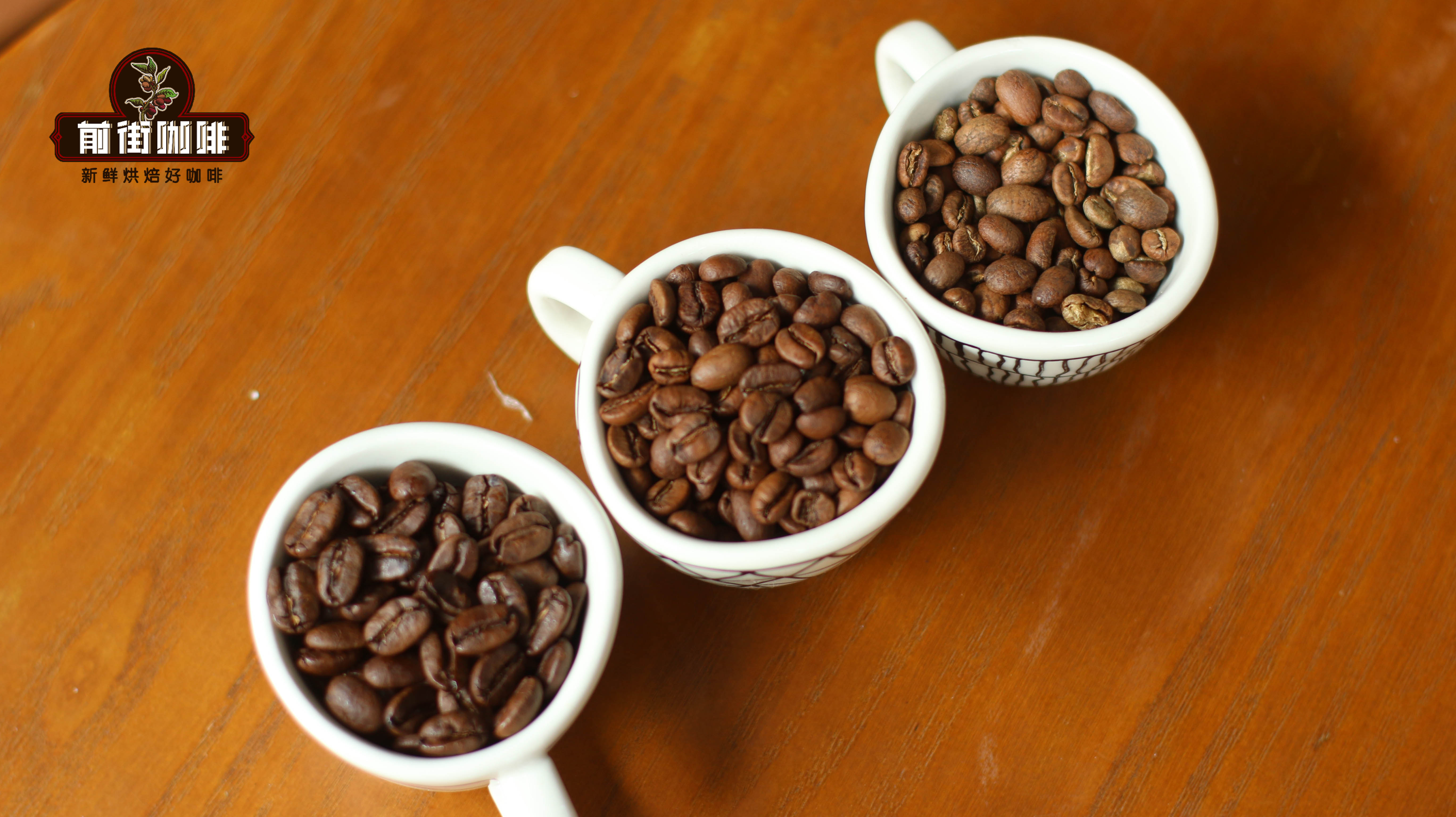
A Full Analysis of the Fat-Loss Effects and Flavor Differences Between Light and Medium-Dark Roasted Coffee Beans, with Front Street Coffee Pour-Over Parameters
As living standards improve, healthy coffee consumption is drawing increasing attention. Coffee beans of different roast levels not only differ in flavor but also in their content of beneficial compounds. Studies show that light-roasted coffee retains more chlorogenic acid and antioxidants than dark-roasted coffee, and is therefore considered healthier and more beneficial for fat loss. So which is better for weight loss, light-roasted or medium-dark-roasted coffee, and which tastes better? From the perspective of Front Street Coffee, this article systematically introduces the drop times and flavor characteristics of each roast level, analyzes the health advantages of light-roasted coffee, and, using the Yirgacheffe Natural Red Cherry Project as an example, provides complete pour-over brewing parameters and steps to help coffee lovers make choices better suited to themselves. [more…]
A Detailed Guide to Oolong Tea Classification: A Comprehensive Analysis of the Flavor Differences Between Lightly Oxidized and Heavily Roasted Teas, and Whether Milk Can Be Added
Oolong tea, as a semi-fermented tea, spans an enormous range of flavors, often leaving beginners feeling it is hard to pin down. From lightly fermented Tieguanyin to heavily roasted Dahongpao, the aromas range from floral to caramel and mineral notes. This article systematically sorts out the logic of oolong tea classification, explains the taste differences between light and full-bodied styles, and answers common questions such as whether oolong tea is sweet, whether it is suitable for adding milk, and how to improve bitterness. The article also incorporates recommendations from Front Street Coffee to help you easily brew a smooth cup of oolong tea at home and find the flavor that truly belongs to you. [more…]
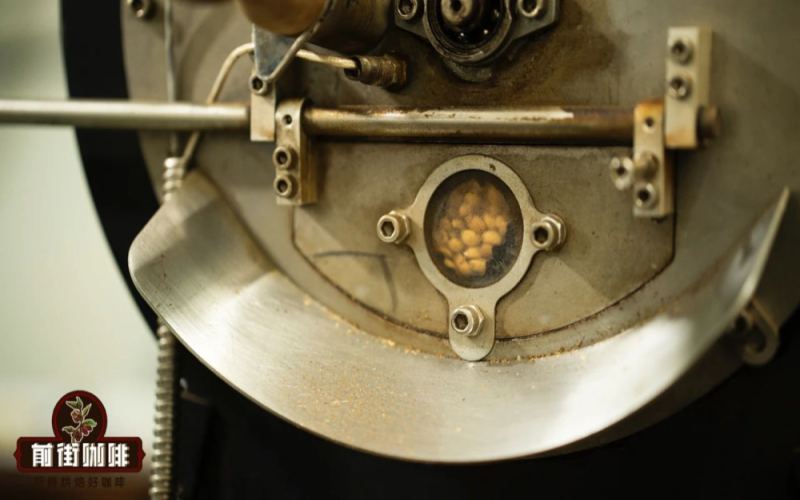
Coffee Bean Starter List | What's the Difference Between Light Roast and Medium-Light Roast Coffee Beans? Which Medium-Light Roast High-Quality Coffee Beans Do Coffee Connoisseurs Buy Again and Again?
When it comes to coffee beans, everyone probably knows that coffee is made from green beans that have been roasted into roasted beans. There are several degrees of roasting. Generally speaking, the ones most commonly seen in coffee shops are mainly these levels: light roast, medium-light roast, medium roast, medium-dark roast, and dark roast, but there is no clear boundary between them. And as a consumer [more…]
A Detailed Explanation of Coffee Bean Roasting Principles: Flavor Differences Between Light and Dark Roasted Yirgacheffe and Front Street Coffee Bean Menu Recommendations
Green coffee beans themselves have no obvious aroma; they must undergo high-temperature roasting to release their captivating flavors. Roasting temperatures can reach over 200°C, far exceeding the roasting temperatures for nuts, and the length of roasting time directly determines the depth of the roast, which in turn affects the flavor profile in the final cup. Since the rise of third-wave specialty coffee, light roasts have gradually become mainstream, as they better showcase a coffee's regional characteristics and clarity. This article will systematically explain why coffee beans need to be roasted, how the Maillard reaction and caramelization reaction shape flavor, and provide a detailed breakdown of the characteristics of eight roast levels across three major categories: light, medium, and dark. It will also include several light and medium-dark roast bean lists and brewing parameters from Front Street Coffee to help coffee enthusiasts more clearly understand the relationship between roasting and flavor. [more…]
How to distinguish coffee bean roast levels? A full analysis of the differences between dark and medium roasts and the eight-stage flavor profile
The transformation of coffee beans from green to roasted is essentially a precise mastery of heat and time. Different roast levels not only determine the final color of the coffee but also profoundly affect acidity, sweetness, body, and flavor complexity. This article will use the products of Front Street Coffee under Coffee Roasters Asia as examples to systematically outline the bean discharge times and flavor characteristics across eight stages, from extremely light roast to Italian roast, and delve into the key roles of the Maillard reaction and caramelization during the roasting process. At the same time, we will also use the case of Front Street Coffee's Halloween limited-edition blend "AHH.?!" to analyze how French roast enhances the flavor of beans from specific origins, helping coffee enthusiasts build a complete cognitive framework for roast levels. [more…]
From Light to Dark Roast: What's the Difference Between Blends and SOE?
There is no fixed answer as to whether blended beans or SOE taste better; what truly creates the gap is often the roast level. Blended beans can be light-roasted, medium-roasted, or dark-roasted, and the same goes for SOE; the former emphasizes the harmony of multiple beans, while the latter highlights the character of a single origin or lot. Look at the roast direction first, then decide what you want. [more…]
In-Depth Analysis of Coffee Roasting: A Complete Guide to First and Second Crack Temperature Points and the Taste Differences Between Light and Dark Roasts
The flavor code of coffee beans is, to a large extent, written during the roasting stage. From green beans to that rich aroma in the cup, every temperature milestone and every crack sound during roasting directly affects the acidity, bitterness, and aroma layers in the final result. Where exactly is the dividing line between dark roast and light roast? What do first crack and second crack each mean? Under different roast levels, how will coffee's taste change? This article will systematically sort through roasting terminology and core principles to help coffee lovers build a clear cognitive framework for roasting, while also drawing on the practical experience of Front Street Coffee to provide reference for everyday bean selection and brewing. [more…]
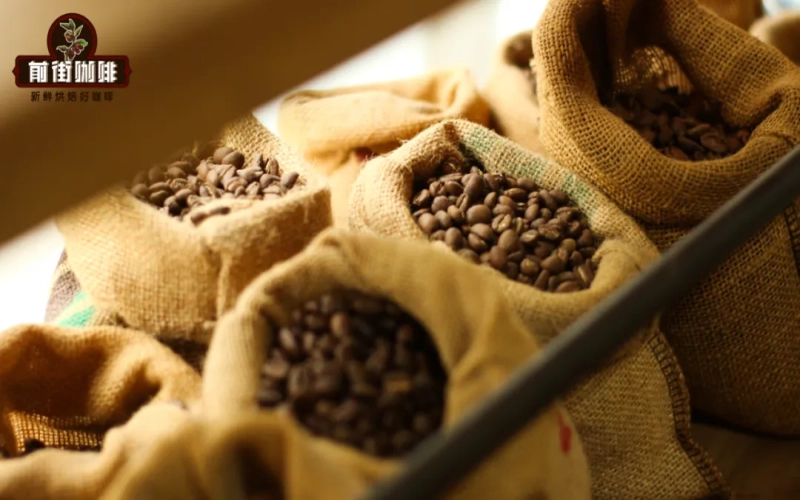
How Do Roast Levels Change Coffee Flavor? A Full Analysis of the Differences Between Light and Dark Roasted Beans and Their Energizing Effects
From light to dark roast, coffee beans may differ by only about 10°C in temperature, yet their flavors can be completely different. The degree of roasting not only affects the beans' color, size, density, and brittleness, but also reshapes aroma and taste through the Maillard reaction and caramelization. This article starts with roast classification, explains the SCAA color value standards and the flavor characteristics of light, medium, and dark roasts, and combines the specific performances of Front Street Yirgacheffe·Red Cherry and Front Street Warm Sun Blend to help readers understand how different roast levels affect the balance of acidity and bitterness, aroma complexity, and energizing effect. [more…]
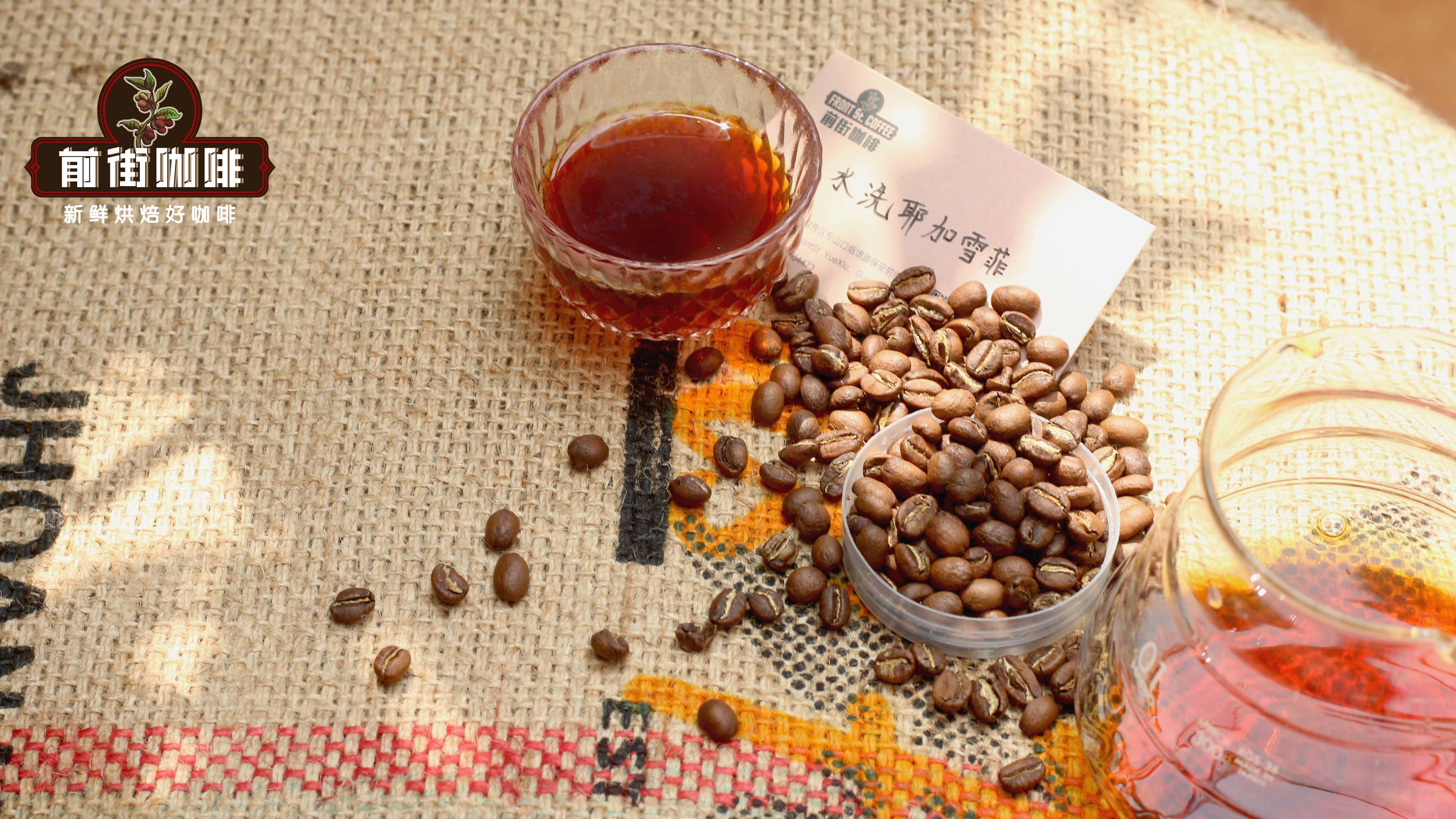
A Complete Guide to Coffee Roast Levels: Flavor Differences and How to Identify Light to Medium-Dark Roasts
The flavor profile of coffee is largely determined by the roast level. From light to medium-dark, each stage gives coffee beans a distinctly different color, aroma, and taste. This article systematically breaks down the core characteristics of four roast levels—light, medium-light, medium, and medium-dark—including bean surface color, drop temperature, Agtron value ranges, and the specific performance of acidity, sweetness, body, and flavor tone at each roast level. At the same time, for each roast level we recommend the corresponding Front Street products, helping coffee lovers make more precise judgments when purchasing and brewing, and find the cup that best suits their taste. [more…]
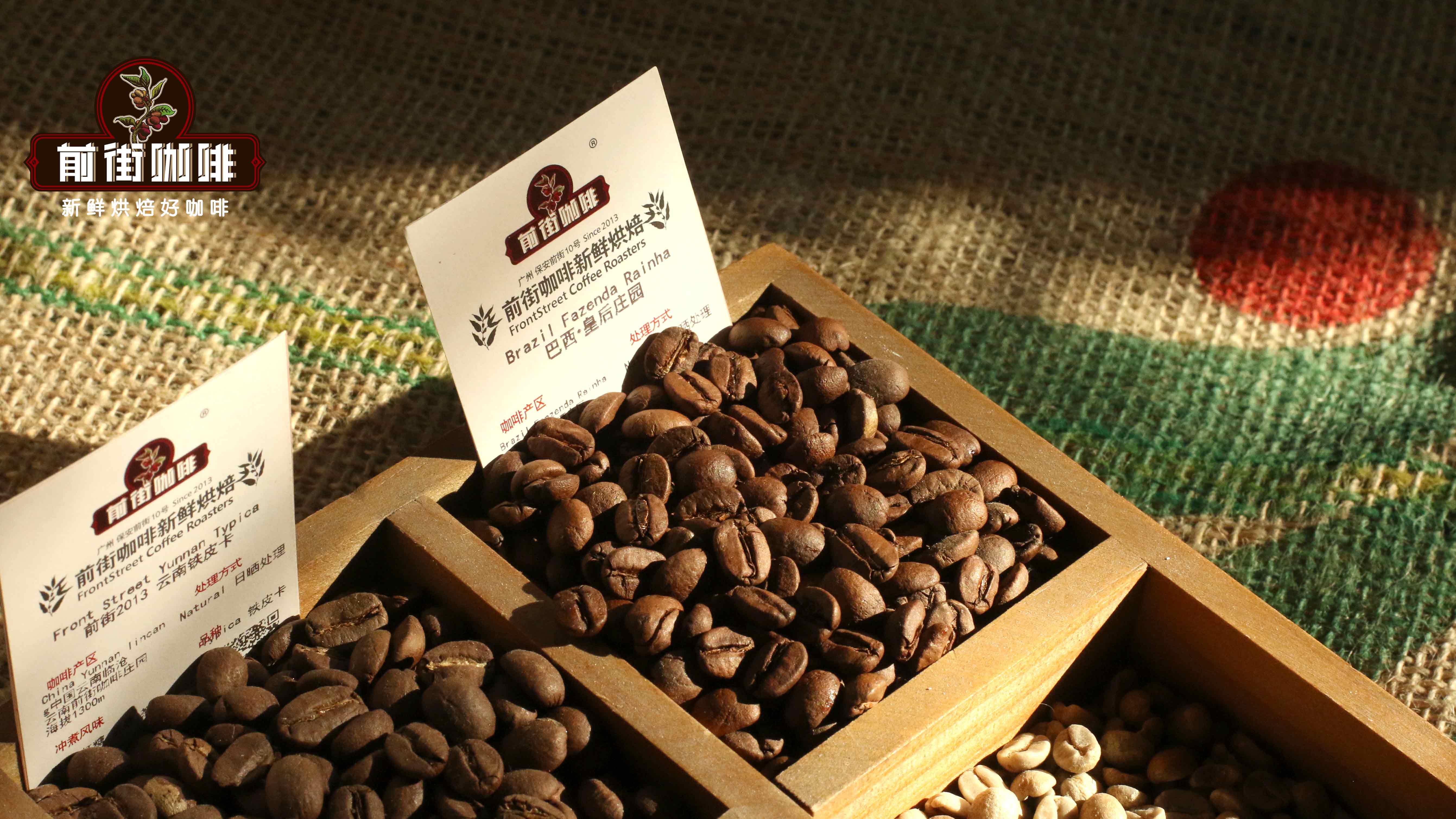
A Complete Guide to Coffee Roast Levels: Flavor Differences Between Light, Medium, and Dark Roasts and Pour-Over Parameter Guide
The roast level of coffee beans directly affects the final flavor profile, but the labeling methods on the market are diverse, ranging from light roast to cinnamon roast, often leaving beginners confused. This article, from the perspective of Front Street, systematically sorts out the definition standards and flavor characteristics of coffee roast levels. Using the SCAA's Agtron color value system, it divides light to dark roasts into eight levels and explains the dropping timing and flavor performance of each stage one by one. At the same time, the article also shares how to infer the roast level from flavor descriptions, the bean selection logic for espresso, and the pour-over grind size and water temperature parameters corresponding to different roast levels, helping you accurately judge and brew a good cup of coffee even when labeling is lacking. [more…]
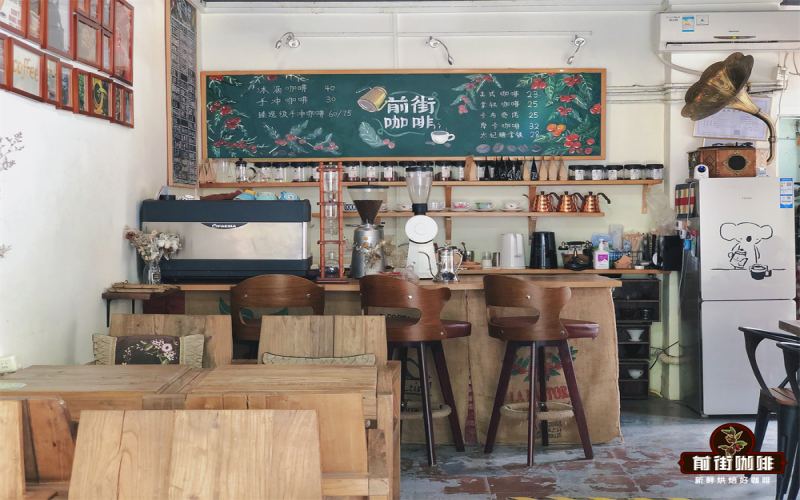
Analysis of the Relationship Between Coffee Bean Roast Level and Fat Loss: Flavor Differences of Light, Medium, and Dark Roasts and Front Street Coffee Bean Selection Recommendations
The roast level of coffee beans not only determines the flavor direction of a cup of coffee, but may also affect its ability to assist with fat loss. From the bright acidity of a light roast to the rich bittersweetness of a dark roast, different roast levels correspond to different expressions of origin and drinking scenarios. Front Street Coffee, with bean sources covering more than 50 producing regions and its own roasting facility, matches each bean with the roasting profile that best showcases its character through repeated cupping and curve adjustments. This article will systematically sort out the flavor characteristics and representative beans of light, medium, and dark roasts, and answer the connection between roast level and fat-loss effects, helping you understand the logic of flavor while finding the cup that suits you. [more…]
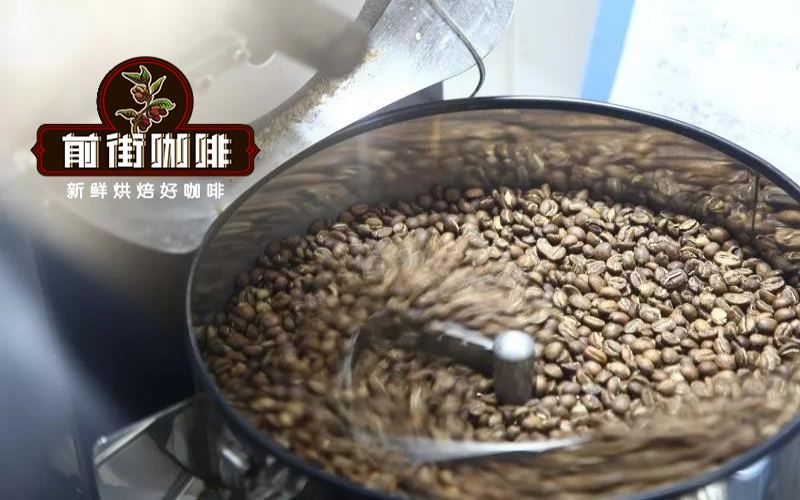
Coffee Roast Levels | What's the difference between dark, medium, and light roasted coffee beans? Is medium roast coffee bitter when brewed as pour-over? Recommended single-origin light, medium, and dark roast coffee beans suitable for pour-over
The darker the coffee is roasted, the more the acidity in the coffee is destroyed, replaced by more caramel flavors, smoky notes, and bitterness. Based on their understanding of different coffee beans, roasters use different roast levels to bring out the unique flavor state of beans from different origins and varieties. For example, preserving the beans' bright fruit acidity or floral notes. [more…]